Fiction Genre Book Publishing
The fiction genre allows writers to share creative stories with readers. Fiction books feature imaginary characters, plot elements, or settings.
Solutions For Every Genre
Art Books
by Teil Duncan
- ✓ Cover Design
- ✓ Editing
- ✓ Interior Design
- ✓ Printing

Children’s Picture Books
by Ben Barrowman
- ✓ Cover Design
- ✓ eBook
- ✓ Illustrations
- ✓ Interior Formatting
- ✓ Hardcover Printing
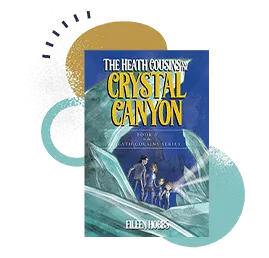
Children’s Novels
by Eileen Hobbs
- ✓ Cover Design
- ✓ Editing
- ✓ Interior Formatting
- ✓ Illustrations
- ✓ Marketing
The fiction genre allows writers to share creative stories with readers. Fiction books feature imaginary characters, plot elements, or settings. This flexible genre can depict invented characters falling in love, retell historical events, or take readers on a tour of a fantastical world — sometimes all in the same book.
How to write a fiction novel and publishing that novel requires creativity, effort, and time. Luckily, there are plenty of resources available to help you develop your book from a simple idea to a polished product. The experts at Palm Bay Publishing can assist you with every step of the publishing process for your fiction book.
Fiction vs Nonfiction
Fiction books include imaginary elements invented by the writer. The narratives typically have made-up characters, events, objects, and places. For example, Christopher Paolini’s fantasy fiction novel Eragon takes place in the imaginary country of Alagaësia, and the narrative includes dragons and other unreal creatures.
By contrast, nonfiction books provide factual accounts of actual events, people, or subjects. Writing a nonfiction book requires writers conduct extensive research and interview witnesses to ensure that they tell a reliable and unbiased narrative. Fiction writers also frequently draw on research, but they build on and often manipulate these facts to develop their creative story.
Many books blend aspects of fiction and nonfiction, which can make it challenging for readers to tell the difference between the two genres. For instance, F. Scott Fitzgerald set The Great Gatsby in the actual locations of Long Island and New York City, but the plot centers on the characters and events he imagined. Generally, if a book includes any invented elements that exist only in the writer’s imagination, publishers and readers classify it as fiction.

The Fundamentals of Fiction
While fiction books can cover a variety of scenarios and topics, texts in this genre share several fundamental elements. By creatively incorporating these fundamentals in your fiction writing, you can create an engaging and unique book.
Characters
Characters are an essential element of any fiction book. You can include animals, humans, imaginary creatures, or even trees as characters. Because fiction allows you to exercise your creativity, the options for inventing unique characters are limitless. Characters typically play particular roles in a fiction book. Common types of characters include:
- Antagonist: The main villain or opposing force that the hero must overcome.
- Protagonist: The main character who primarily drives the book’s plot.
- Narrator: The perspective that tells the story. Sometimes, the narrator and the protagonist are the same character. In other cases, another person — such as an external observer — recounts the narrative.
Plot
The plot refers to the series of conflicts or events that occur in the story. The plot often follows a cause-and-effect structure: A happens, so the characters do B, which results in C. Many fiction writers structure their books around a few basic plot components:
- Exposition: An introduction to the characters and the world where the story takes place.
- Rising action: Conflict between the characters leads to a series of incidents and interactions.
- Climax: The peak of the story when the protagonist usually confronts and overcomes their chief antagonist.
Point of View
The perspective(s) from which the writer tells the story. There are three main points of view:
- First-person: The narrator recounts the story from their own internal perspective, using the “I” pronoun.
- Second-person: These books are told from the perspective of “you.”
- Third-person: The narrator tells the story from a more distanced perspective, using third-person pronouns like “she” and “they” to refer to all of the characters.
Setting
The setting refers to the context, location, and time in which the story takes place. Fiction gives writers the flexibility to reinvent real-world settings or to imagine completely new worlds.
Theme
Fiction stories explore abstract concepts and convey deeper messages about life. For example, fairy tales often include themes like the dangers of the wilderness and the importance of obeying parental figures.
Common Characteristics of Fiction
While all fiction books share some common characteristics, you can further divide these texts into genres. Each genre has certain conventions, styles, and tropes that readers recognize and expect. For example, romance books typically feature tropes like a happy ending, love triangles, and marriage. Popular fiction genres include:
- Action-adventure books
- Fantasy books
- Horror books
- Literary, or realistic, fiction books
- Mystery books
- Romance books
- Science fiction books
- Thriller books
- Young adult books
- Historical fiction
Each genre also includes subgenres or smaller clusters of texts that share more specific characteristics. For instance, the mystery genre includes these subgenres:
- Cozy mystery
- Forensic thriller
- Medical thriller
- Police procedural
By learning the conventions of your chosen genre, you can more effectively advertise your book to interested readers. For instance, you can follow trends in cover designs for your genre to create an eye-catching cover that will attract the right audience.

Contact Us Today to Start The Process